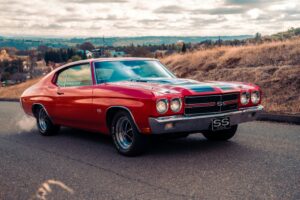
 For those of us who have a passion for collecting classic cars, it’s important to have an insurance policy that aligns with our specific use and ensures the appropriate value coverage for these valuable assets. Insuring a classic car is different from insuring your everyday vehicle. Classic car insurance policies are typically more affordable and are based on an agreed value. These policies can be tailored to suit your specific vehicle, restoration stage, or usage. Here are some examples of how you can customize your classic car insurance policy:
- Agreed Value Coverage: Unlike a standard auto policy that pays based on depreciated actual cash value, classic car insurance can be written with an agreed value. You and the insurance company agree on the vehicle’s value upfront, helping ensure you receive that amount (less any deductible, if applicable) in the event of a covered total loss.
- Car Show & Collector Event Protection: Whether you’re displaying your vehicle at local shows, parades, club events, or exhibitions, many classic car policies are designed with collector use in mind and provide coverage while your vehicle is being transported or displayed at eligible events.
- Road Trip Coverage: For those who enjoy taking their classic car on road trips, there are specialized coverage options to protect you in case of breakdowns during your travels. These policies may provide additional benefits such as access to a replacement vehicle, coverage for food and shelter, and more, ensuring that your road trip experience remains enjoyable and worry-free.
- Original Replacement Parts: In the event of a loss, if you require unique parts to restore your classic car to its original condition, certain policies offer coverage for stock original replacement parts. This ensures that your vehicle can be restored using authentic components.
Every classic car enthusiast and their vehicle are unique, which is why it’s crucial to consult with an insurance agent to find the right policy for your specific needs. Additionally, if you have a personal umbrella policy with another insurance carrier, it’s important to consider their requirements. They may require you to carry sufficient coverage limits on your classic car to match the coverages on your everyday driver. This helps avoid any gaps in coverage, even if you rarely drive your classic car.
By working with an insurance agent experienced in classic car insurance, you can ensure that your beloved vehicle is adequately protected. They will help you navigate the intricacies of classic car insurance, tailor a policy to your unique requirements, and provide you with peace of mind knowing that your cherished asset is covered appropriately.
 Owning a swimming pool is a delightful luxury that requires diligent maintenance, but the joy it brings on a scorching summer day is truly priceless. If you have children, the pool quickly becomes their favorite gathering spot with friends. While owning a swimming pool can offer a fantastic experience, it also comes with a unique insurance liability risk.
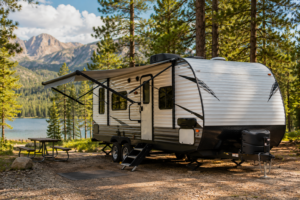 As summer approaches, camping enthusiasts eagerly anticipate venturing into the great outdoors and making the most of nature. If you own a camper or trailer, it’s essential to complete a quick tune-up to ensure your vehicle is ready for summer use. While some campers opt for professional servicing, it is entirely possible to perform the maintenance yourself. Here are six crucial areas to check when prepping your camper for summer adventures: